
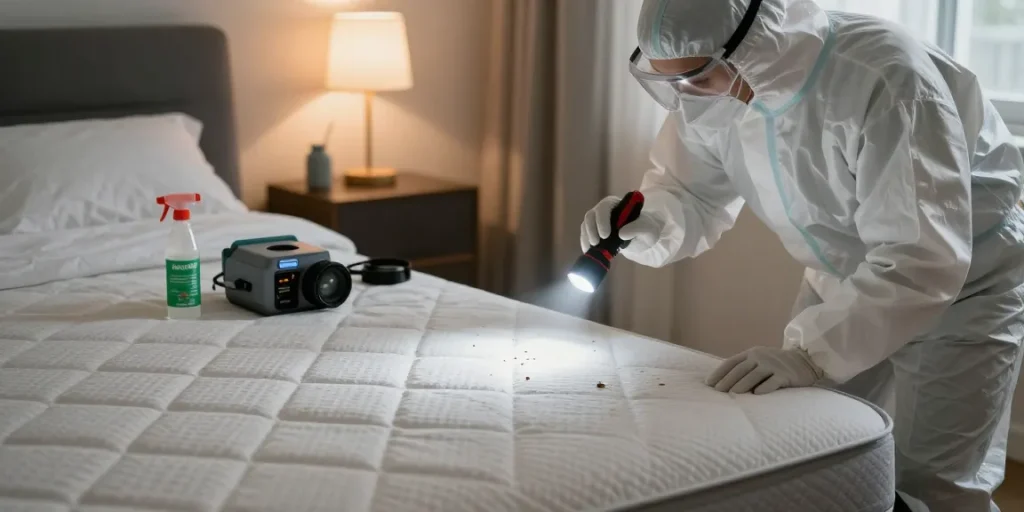
Understanding Bed Bugs: The Basics of Infestation
Bed bugs, tiny parasitic insects known for their elusive nature and irritating bites, have become a growing concern for households and businesses alike. With their ability to reproduce quickly and survive for months without feeding, understanding these pests is crucial in effectively managing an infestation. In Milwaukee, where bed bug sightings are on the rise, the demand for professional bed bug treatment has surged. This article will delve into the essential information you need to recognize, treat, and prevent bed bug infestations effectively.
What are Bed Bugs and How Do They Reside?
Bed bugs (Cimex lectularius) are small, oval-shaped insects that feed on the blood of humans and animals while they sleep. Typically reddish-brown in color, these pests are about the size of an apple seed once they reach maturity. Their flattened bodies allow them to hide in various narrow spaces, making them particularly challenging to detect and eradicate. Bed bugs are masters of concealment; they often reside in bedding, mattresses, box springs, bed frames, and even behind wall hangings.
Common Signs of Bed Bug Infestation
Identifying a bed bug infestation involves recognizing several telltale signs:
- Blood Stains: Small red or brown stains on sheets, curtains, or walls may indicate that bed bugs have been feeding.
- Dark Spots: Fecal droppings of bed bugs appear as dark, ink-like stains, often found where they hide.
- Eggs and Shells: Tiny white eggs or discarded skins from molting are signs of a growing population.
- Itchy Bites: Bed bug bites are often painless initially but can cause itchy welts that emerge in clusters or lines on the skin.
Understanding Bed Bug Behavior and Lifecycle
Bed bugs are nocturnal, primarily feeding at night when their hosts are asleep. A female bed bug can lay up to 500 eggs in her lifetime under optimal conditions. The lifecycle of a bed bug consists of several stages: egg, nymph, and adult. Nymphs start to feed almost immediately after hatching and will shed their skin multiple times before reaching adulthood, making timely eradication vital to breaking the cycle of infestation.
Types of Bed Bug Treatment Available
When dealing with bed bug infestations, selecting an effective treatment method is crucial. Understanding the options available can empower homeowners and business operators to make informed decisions.
Chemical Spray Treatments: Long-lasting Protection
Chemical spray treatments involve the application of specially formulated pesticides designed to kill bed bugs upon contact and provide a residual barrier to prevent re-infestation. These treatments can last up to 120 days, making them an attractive choice for long-term protection against future infestations. While DIY options may seem appealing, they often lack the efficacy required for complete elimination, especially in severe cases. For successful outcomes, it is recommended to engage professionals who can deliver commercial-grade insecticides and follow up with additional monitoring.
Heat Treatment: An Eco-friendly Alternative
Heat treatment is gaining popularity as a non-toxic alternative for bed bug management. This method involves raising the temperature in the infested area to levels that are lethal to bed bugs and their eggs. By reaching temperatures of 120°F (49°C) or higher, heat treatment can eliminate bed bugs at all life stages. This method is particularly appealing for those concerned about chemical exposure to children and pets.
The Ultimate Combo Treatment: Best of Both Worlds
Combining chemical sprays with heat treatment can offer a comprehensive approach to extermination. The ultimate combo treatment maximizes the strengths of both methods, providing immediate elimination of visible pests while offering longer-lasting protection against reinfestation from hidden bed bugs. Consulting with a professional pest control expert can help determine the best course of action based on the severity of the infestation and your specific needs.
Best Practices for Implementing Bed Bug Treatment
Implementing effective bed bug treatment requires careful planning and execution. Following best practices can enhance the success rate of extermination efforts.
Preparing Your Home for Effective Treatment
Preparation is key to ensuring successful bed bug treatment. Before treatment, homeowners should declutter the affected areas, wash all bedding and clothing in hot water, and vacuum thoroughly to remove visible bugs and eggs. It is essential to follow the pest control professional’s instructions regarding preparation to maximize treatment effectiveness.
Post-Treatment Monitoring: Ensuring Total Elimination
After treatment, continuous monitoring is crucial. Homeowners should inspect their living spaces regularly for signs of bed bugs to ensure complete eradication. Utilizing bed bug monitors or traps can help in early detection and prevention of future infestations, making these tools valuable for long-term control.
Client Testimonials: Real-world Success Stories
Success stories from satisfied clients can provide insight into the effectiveness of bed bug treatment options. Many clients have reported significant improvements in their living conditions and a high level of satisfaction with the service provided by pest control experts. These testimonials often highlight the professionalism, promptness, and thoroughness of the treatment process, reinforcing the value of selecting a reputable exterminator.
Cost and Value: Making Informed Decisions
Understanding the financial aspects of bed bug treatment is essential for homeowners and businesses. It is important to evaluate costs relative to the potential damage that an unchecked infestation can cause.
Understanding Bed Bug Treatment Costs
The costs associated with bed bug treatments can vary widely based on several factors, including the severity of the infestation, the method of treatment chosen, and the size of the affected area. Chemical treatments may range from a few hundred to several thousand dollars, depending on the required services. Heat treatments typically require more initial investment but can often lead to quicker results.
Assessing Value vs. Price: What to Expect
While the cheapest option may seem attractive, it is critical to assess the long-term value of treatments. Investing in high-quality pest control services can save you money over time by preventing re-infestation and reducing the need for repeated treatments. Choose a service provider who offers a guarantee on their work and comprehensive support to ensure you receive the best value for your investment.
Special Offers and Packages Available
Many pest control companies provide special offers and bundled services that can enhance the affordability of bed bug treatments. Look for package deals that combine multiple treatment options or long-term monitoring services at a discounted rate to maximize your investment.
Future Trends in Bed Bug Treatment Solutions
The pest control industry is constantly evolving, with new technologies and approaches emerging to combat bed bug infestations more effectively.
Emerging Technologies and Innovations for Pest Control
Advancements in pest control technologies, such as the development of heat-sensitive monitoring systems and improved insecticides, are revolutionizing how bed bugs are treated and managed. Innovations that enhance detection capabilities will allow for quicker responses to infestations, reducing the overall impact on homes and businesses.
Predictions for Bed Bug Treatment in 2026 and Beyond
As awareness of bed bugs continues to grow, it is expected that treatment methods will become more refined, focusing on environmentally friendly solutions and integrated pest management approaches. Education around prevention tactics will also play a crucial role in minimizing infestations from the outset.
Preventive Measures: Staying Bed Bug-Free Long-term
Preventing bed bug infestations requires a proactive approach. Regularly inspecting your home, especially after travel, can help identify any signs of bed bugs before they become a larger issue. Additionally, using protective covers on mattresses and box springs can help reduce the risk of infestation. Collaboration with pest control professionals for routine inspections and treatment can further bolster your defense against these pests.
What are the most effective bed bug treatments?
The most effective bed bug treatments typically combine chemical sprays and heat treatments to address both immediate elimination and long-term prevention. Consulting with a pest control professional can help in determining the right approach for your specific situation.
How do I know if I have a bed bug infestation?
Common indicators of a bed bug infestation include unexplained bites on the skin, bloodstains on linens, small dark spots on bedding, and the presence of live bugs or their eggs in targeted areas.
What should I do before a bed bug treatment?
Before treatment, it’s essential to prepare your living space by decluttering, washing bedding, and following the exterminator’s instructions regarding what to do before their arrival.
How long does a bed bug treatment take?
The duration of a bed bug treatment can vary based on the method used and the severity of the infestation. Typically, an initial treatment can take a few hours, while follow-up inspections and treatments may be scheduled over weeks.
Are bed bug treatments safe for children and pets?
Most professional bed bug treatments are designed to be safe for families and pets. However, it is important to discuss any concerns with your pest control provider to ensure safety during and after the treatment process.