
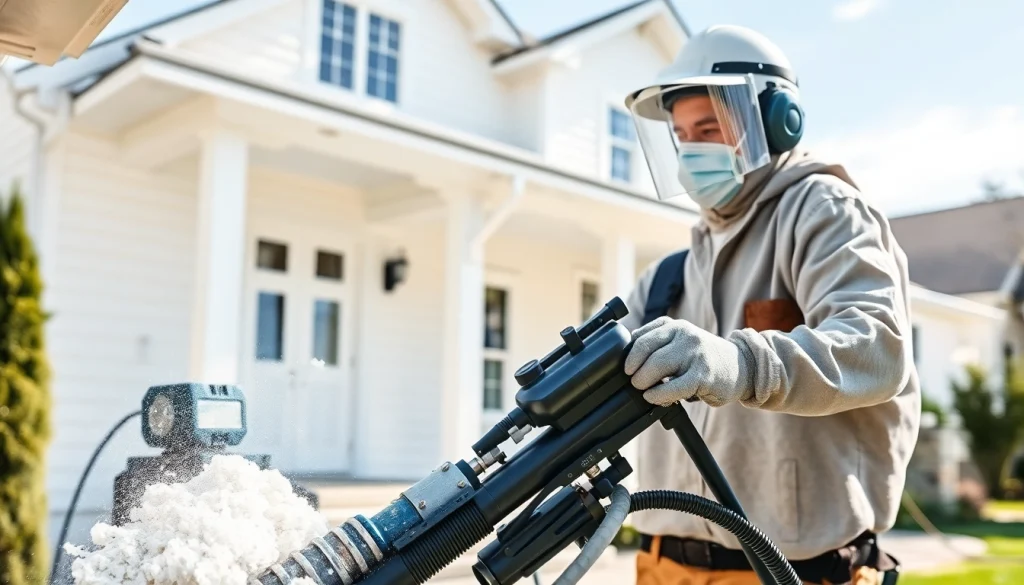
Understanding Spray Foam Removal Littlehampton
When it comes to maintaining the integrity and comfort of your home, understanding the nuances of spray foam removal Littlehampton is essential. While spray foam insulation offers significant benefits in energy efficiency, there are times when it may need to be removed due to issues such as improper installation, degrading material, or a change in insulation needs. This comprehensive guide will walk you through what spray foam is, the challenges faced during its removal, and how you can effectively manage the process for your home.
What is Spray Foam and Why Remove It?
Spray foam insulation is a popular choice for energy efficiency, designed to expand and fill gaps, creating a solid thermal barrier. It consists of a mixture of isocyanates and polyols that, when sprayed, cure and harden into a solid form. Although spray foam is recognized for its excellent insulating properties, there are several reasons behind the need for removal:
- Improper Installation: If installed incorrectly, gaps or voids can occur, leading to reduced effectiveness.
- Degradation: Over time, materials can break down, leading to air leakage and decreased energy efficiency.
- Health Concerns: Off-gassing of chemicals from old or improperly applied foam can pose health risks.
- Changing Needs: Home renovations or changes in insulation standards may necessitate removal.
Common Challenges in Spray Foam Removal
Despite its benefits, the process of removing spray foam insulation can be complex and challenging. Some common issues include:
- Physical Removal: The rigid nature of foam makes it difficult to extract without damaging underlying surfaces.
- Dust and Particles: The removal process can create a considerable amount of dust, necessitating protective measures.
- Structural Integrity: Care must be taken to preserve surrounding materials, such as drywall and wood framing.
- Chemical Exposure: Safety measures must be implemented to avoid exposure to potentially harmful substances.
Preliminary Assessment Procedures
Before initiating the removal process, conducting a thorough assessment is vital. Key steps include:
- Visual Inspection: Identify areas of concern, inspecting for cracks and gaps.
- Humidity Levels: Measure moisture levels; high humidity can influence removal methods.
- Professional Evaluation: Engage with specialists who can identify potential hazards and inform you on best practices.
Best Practices in Spray Foam Removal Littlehampton
Executing the spray foam removal process necessitates a well-organized approach. Following best practices can ensure a safer and more efficient experience.
Choosing the Right Tools and Equipment
Proper tools play a crucial role in effective spray foam removal. Essential equipment includes:
- Opposing Blades: For cutting rigid foam, specialized blades can help you cut without excessive force.
- Industrial Vacuum: A vacuum equipped with HEPA filters is necessary for mitigating dust and particles.
- Protective Gear: Safety goggles, masks, and gloves should always be worn to protect against allergens and chemicals.
- Removal Chemicals: These can aid in softening the foam, making it easier to lift and peel away.
Safety Protocols for Effective Removal
Safety cannot be overlooked during the removal process. Effective protocols include:
- Area Preparation: Clear the area of furniture and valuables to minimize damage.
- Ventilation: Ensure adequate ventilation to limit exposure to fumes.
- Emergency Procedures: Have a plan in place for emergencies, including fire extinguishers and first-aid kits.
Step-by-Step Removal Process
The following steps outline an effective spray foam removal process:
- Initial Safety Check: Before beginning, ensure all safety measures are in place and that the area is adequately ventilated.
- Cut the Foam: Use a sharp knife or blade to cut the foam into manageable pieces.
- Soften with Chemicals: If necessary, apply removal chemicals to soften the foam for easier removal.
- Vacuum and Extract: Utilize an industrial vacuum to collect dust and debris as you work.
- Inspect for Damage: After removal, check surrounding structures for any damage that may need repair.
Post-Removal Care and Maintenance
Successfully removing spray foam insulation is just the beginning. Post-removal actions are equally important to ensure your home remains safe and efficient.
Home Inspection After Removal
Once the removal is completed, conducting a home inspection is essential. Look for:
- Structural Damage: Examine walls and ceilings for signs of damage or weakness.
- Air Quality: Check for signs of moisture or mold growth that may have been hidden beneath the foam.
- Insulation Requirements: Determine if there are new insulation needs that should be addressed.
Repairing Surfaces Post Foam Removal
Following the removal, you may need to repair any surfaces affected during the process. This can include:
- Patching Holes: Use spackling compounds to fill any holes or gaps left behind.
- Repainting: Once finishes are dry, repaint affected areas to restore the appearance.
- Replacing Damaged Materials: Inspect for any materials that may need replacement, such as drywall or wood framing.
Maintaining Your Home’s Insulation
Once new insulation is in place, upkeep is key to sustaining efficiency. Regular tasks include:
- Regular Inspections: Conduct periodic checks of insulation integrity and overall condition.
- Monitor Humidity Levels: Maintain a healthy humidity level to prevent mold growth.
- Cleansing Air Ducts: Ensure air ducts remain clean to promote optimal airflow and efficiency.
Cost Considerations for Spray Foam Removal Littlehampton
Budgeting for the removal process requires careful consideration of various factors. Knowing what to expect can help you avoid financial surprises.
Estimating Costs Efficiently
To effectively estimate costs, consider the following:
- Size of Area: Larger areas typically incur higher costs due to labor and material requirements.
- Material Type: Different forms of insulation may require varied amounts of time and effort for removal.
- Professional Services: Hiring experts may raise costs, but the investment often results in better outcomes.
Hidden Costs to Be Aware Of
Beyond the apparent expenses, watch for hidden costs that might emerge, such as:
- Disposal Fees: Some disposal sites may charge fees for non-conventional materials like spray foam.
- Repair Work: The need for subsequent repairs or replacements due to damage can add up quickly.
- Interim Living Arrangements: In some cases, you may need to vacate your home during the removal process, potentially incurring additional costs.
Finding Affordable Services in Littlehampton
For those seeking budget-friendly options, consider these tips:
- Get Multiple Quotes: Obtain estimates from several providers to compare prices and services.
- Check Reviews: Research reviews and testimonials for insights into service quality and professionalism.
- Inquire About Packages: Some companies may offer bundled services at discounted rates.
Frequently Asked Questions about Spray Foam Removal Littlehampton
How long does the spray foam removal process take?
The duration can vary based on the size of the area and complexity, typically ranging from a few hours to a full day.
Is spray foam removal safe for the home?
Yes, when carried out by professionals, it can be done safely without damaging the home structure.
What should I expect after removal?
You may notice improved air quality and a reduction in allergens, as well as a more comfortable home environment.
Are there any health risks during the process?
Proper precautions and safety gear minimize risks; however, it’s advisable to vacate the area during the process.
How can I prepare my home for spray foam removal?
Clear the area around the foam, ensuring easy access for technicians, and cover belongings to protect from dust.