
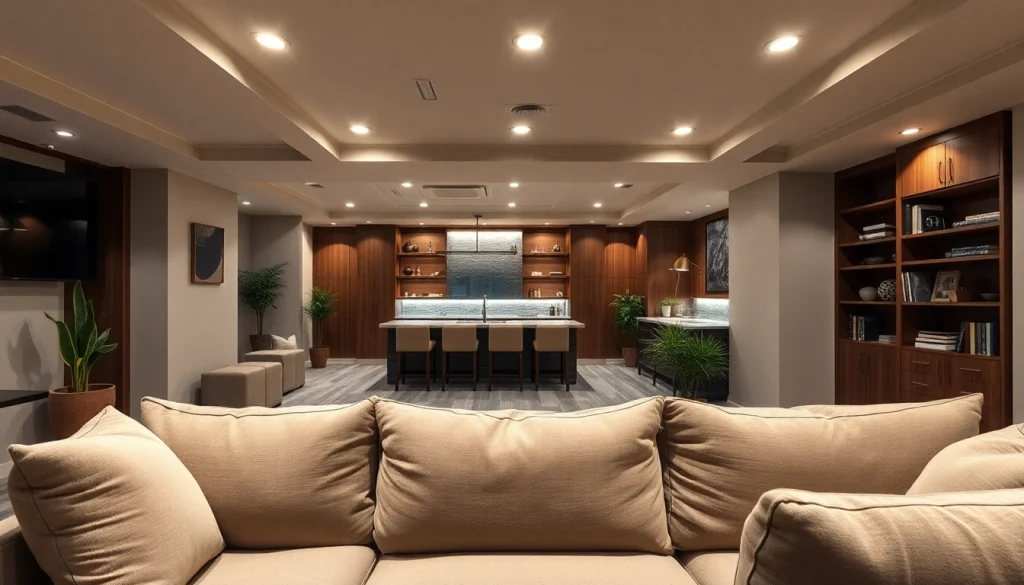
Understanding Basement Renovation
What is Basement Renovation?
Basement renovation is the process of transforming an unfinished or underutilized basement space into a functional and appealing part of your home. This project typically includes improving the aesthetics, enhancing functionality, and ensuring that the space meets safety regulations. A successful basement renovation can add extra living space, increase property value, and allow homeowners to utilize the space for various activities such as entertainment, home offices, or guest accommodations. As you embark on your basement renovation journey, it is essential to understand what the process entails and the potential benefits that can be gained.
Benefits of Basement Renovation
Undertaking a basement renovation can offer numerous advantages, making it a worthwhile investment for homeowners. Here are several key benefits:
- Increased Living Space: Renovating your basement provides additional square footage that can be tailored to various needs, from game rooms to additional bedrooms.
- Enhanced Home Value: A well-executed basement renovation can significantly boost your property’s market value, making it more attractive to potential buyers.
- Energy Efficiency: Modern renovations offer the opportunity to insulate the basement better, leading to improved energy efficiency and lower utility bills.
- Functional Flexibility: A renovated basement can serve multiple purposes, adapting to changes in family needs over time.
- Improved Aesthetic: Upgrading the design and finishes can turn a dark and damp area into a beautifully designed living space that complements the rest of the home.
Common Issues to Address
Before diving into a basement renovation, it is crucial to identify and address common issues that can affect the project:
- Moisture and Water Intrusion: Basements are prone to moisture problems, which can lead to mold and structural damage. Ensuring proper waterproofing is essential.
- Poor Ventilation: Sufficient airflow helps prevent dampness and improves air quality, which should be factored in during renovation planning.
- Inefficient Heating: Basements often struggle with temperature irregularities. Insulating walls and installing heating systems may be necessary.
- Lighting Issues: Basements frequently lack natural light. Strategic planning for lighting can significantly enhance the ambiance of the space.
Planning Your Basement Renovation
Setting a Budget
Establishing a budget is the cornerstone of any successful renovation project. When planning for a basement renovation, consider the following factors:
- Construction Costs: Understand the expected costs for labor, materials, and fixtures. It’s wise to get estimates from contractors and consider DIY options where feasible.
- Contingency Fund: Set aside an additional 10%-20% of your budget for unexpected expenses that often arise during renovations.
- Prioritize: Determine what elements are essential and which are optional. This will help you allocate funds efficiently without compromising quality.
Choosing a Design Style
Your design style should reflect your personal taste while fitting seamlessly with the rest of your home. Some popular design styles to consider for your basement renovation include:
- Modern: Clean lines, minimalist aesthetics, and neutral palettes define this look, often incorporating high-tech features.
- Industrial: Exposed pipes and unfinished surfaces complement a rustic, edgy atmosphere, making it perfect for modern urban homes.
- Traditional: Warm colors, classic furniture, and ornate details create a timeless feel that pairs well with older homes.
- Coastal: Light colors and natural materials evoke a breezy, beachy vibe that’s refreshing in lower levels.
Permits and Regulations
Before initiating your renovation, familiarize yourself with local building codes and regulations. Common permits required for basement renovations include:
- Building Permit: Most renovations need an official permit, ensuring compliance with safety and zoning regulations.
- Electrical Permit: Any changes to electrical systems require a permit to safeguard against wiring issues and fire hazards.
- Plumbing Permit: If adding or moving plumbing fixtures, a permit is typically required as well.
Steps to a Successful Basement Renovation
Preparation and Cleanup
The initial phase involves thorough preparation and cleanup of the existing space:
- Clear the Area: Remove all unnecessary items, ensuring to discard or donate things that are no longer needed.
- Assess Structure: Check for any damages or weaknesses in the foundation, walls, and floorboards.
- Waterproofing and Insulation: As moisture can be a concern, apply appropriate waterproofing measures and consider foam board insulation for temperature regulation.
Construction and Build-Out
The construction phase is where visions come to life. Important considerations include:
- Framing: Construct walls and ceilings to define spaces. Use moisture-resistant materials for areas prone to dampness.
- Wiring and Plumbing: Install any necessary electrical wiring and plumbing fixtures before closing walls to avoid access issues later.
- Flooring: Choose appropriate flooring materials designed for basements, such as vinyl or tile, which resist moisture.
Final Touches and Decor
Once construction is complete, focus on the decor that will bring the space together. Consider:
- Paint and Wall Treatments: Light colors can help brighten dark spaces, while storage solutions can enhance functionality.
- Lighting Design: Combining ambient, task, and accent lighting creates a warm and inviting atmosphere.
- Furnishing: Choose furniture that fits your intended use for the space, keeping in mind comfort and design coherence.
Cost Factors in Basement Renovation
Materials and Labor Costs
The cost of a basement renovation can vary significantly based on several factors:
- Quality of Materials: Higher-quality materials will naturally increase costs but can enhance durability.
- Labor Costs: Depending on your location and the complexity of your project, labor rates can substantially influence total expenses. Hiring experienced contractors is crucial for quality work.
Unexpected Expenses
Many homeowners find that their projects exceed initial estimates due to unforeseen circumstances. Common unexpected expenses include:
- Mold Remediation: If mold is discovered during renovations, removal can be costly.
- Structural Repairs: Unplanned structural work due to hidden damage from moisture or pests can arise.
- Design Changes: Sudden changes in design can escalate costs, especially if they require extensive alterations.
Financing Your Project
Financing options for a basement renovation may include:
- Home Equity Loans: Utilizing equity in your home can provide necessary funds for renovations.
- Personal Loans: These can be used for renovations, but be cautious about interest rates.
- Credit Cards: While they can offer flexibility, high-interest rates can lead to greater costs if not paid off quickly.
FAQ on Basement Renovation
How long does a basement renovation take?
The duration of a basement renovation varies based on the project’s scope but generally ranges from several weeks to a few months.
What permits are needed for basement renovations?
Common permits include building, electrical, and plumbing permits, depending on your renovation’s scope.
How much does a basement renovation typically cost?
Renovation costs can vary widely based on location and design choices but typically range from £20,000 to £50,000.
Can I do a basement renovation myself?
While some homeowners opt for DIY renovations, professional help is recommended for structural and complex tasks to ensure safety and compliance.
What are the best design ideas for a basement?
Popular ideas include creating a home theater, a guest suite, a home gym, or a playroom which all can maximize utility and enjoyment.