
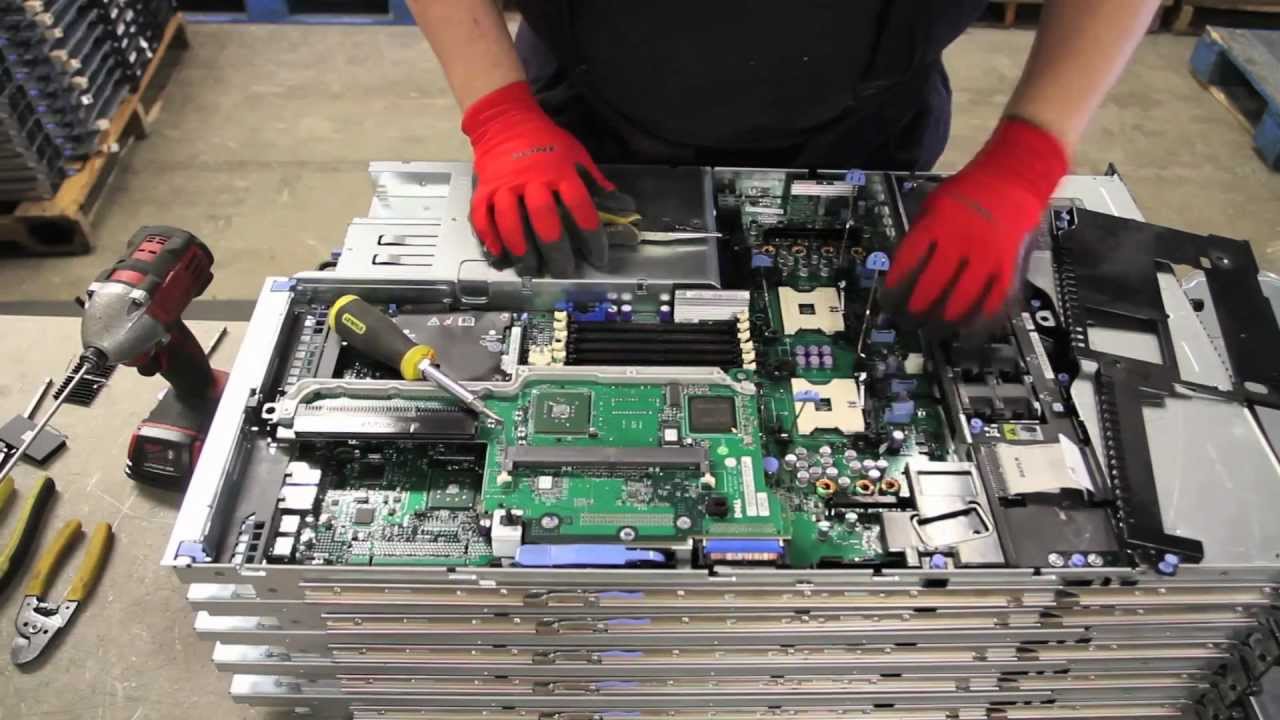
Understanding IT Recycling in Reading
As technology continues to evolve rapidly, the need for effective IT recycling has become more critical than ever. In Reading, it recycling reading is not only a responsible choice but also an essential practice for businesses and residents looking to minimize their environmental impact. This article will delve into the various aspects of IT recycling in Reading, from understanding what it entails to exploring local options, preparing your devices, and adhering to best practices.
What is IT Recycling?
IT recycling involves the process of collecting, reusing, and disposing of outdated or unwanted IT equipment, such as computers, servers, printers, and other electronic devices. The goal is to recover valuable materials, prevent hazardous waste from ending up in landfills, and ensure that sensitive data does not fall into the wrong hands. The IT recycling process typically follows several steps, including collection, data sanitization, refurbishment, and responsible disposal of components that cannot be reused.
Importance of IT Recycling
The importance of IT recycling cannot be overstated. Each year, millions of tons of electronic waste are generated worldwide, posing significant environmental risks. Many of these devices contain toxic materials such as lead, mercury, and cadmium, which can leach into the soil and water if not disposed of properly. By recycling IT equipment, individuals and businesses can:
- Reduce the burden on landfills, thereby conserving resources and energy.
- Recover precious metals and materials, thus reducing the need for mining and extraction.
- Protect sensitive information through proper data destruction methods.
- Comply with environmental regulations and avoid penalties.
Environmental Benefits of IT Recycling
The environmental benefits of IT recycling are substantial. By integrating recycling practices, we can:
- Prevent hazardous materials from contaminating the environment.
- Conserve energy—recycling metals and plastics requires significantly less energy compared to the extraction of raw materials.
- Decrease carbon emissions associated with manufacturing new devices.
- Support a circular economy where materials are reused and recycled, minimizing waste.
Local IT Recycling Options in Reading
Residents and businesses in Reading have various options available for IT recycling, ensuring that everyone can play their part in this vital process.
Residential IT Recycling Services
For individual households, many local organizations and recycling centers offer easy-to-access IT recycling services. These services often include:
- Drop-off points where residents can take their unwanted electronics.
- Scheduled collection services that allow residents to arrange for pickup from their homes.
- Community events that promote awareness and facilitate the recycling of electronics.
Commercial IT Recycling Solutions
Businesses in Reading have unique needs when it comes to IT recycling. Many local companies provide tailored solutions, including:
- Bulk collection services that cater to corporate offices.
- IT asset disposition (ITAD) services to ensure secure and compliant disposal of IT equipment.
- Customization services for data destruction and certification of recycling, which are crucial for businesses that handle sensitive information.
Mobile Collection Services
Mobile collection services are becoming increasingly popular, allowing businesses and households to have their electronic waste picked up directly from their location. These services enhance convenience while ensuring responsible recycling of IT equipment. Customers can schedule a pickup, and trained professionals will handle everything from collection to secure recycling.
Steps to Prepare for IT Recycling
Preparation is key to a successful IT recycling process. Here are important steps to follow before recycling your devices.
Data Security Considerations
Data security is paramount when disposing of IT equipment. To protect your personal or business information, it is vital to:
- Use data-wiping software that adheres to industry-standard protocols for complete data erasure.
- Physically destroy hard drives or sensitive components if necessary, particularly for highly confidential information.
- Seek recyclers that provide data destruction certificates to confirm that your data has been handled securely.
Gathering and Packaging Electronics
After ensuring that your data is secure, the next step is to gather and package your electronics properly:
- Place smaller devices in boxes, ensuring they are cushioned to prevent damage during transport.
- Label the boxes with information on the contents for ease of processing at the recycling facility.
- Avoid mixing electronics with other types of waste to facilitate proper recycling.
Scheduling a Pickup or Drop-off
Once your electronics are ready, you can either schedule a pickup or find a local drop-off point. Choose a method that best suits your convenience and ensure to select a reputable recycling service to guarantee that your IT equipment is handled responsibly.
Best Practices for IT Recycling
To maximize the effectiveness of IT recycling initiatives, it’s essential to follow best practices.
Choosing a Reliable Recycler
Not all recycling services are created equal. Consider the following factors when selecting a recycler:
- Accreditations: Ensure that the recycler adheres to industry standards and holds relevant certifications.
- Transparency: Look for a company that is open about its recycling processes and provides detailed information on how devices will be handled.
- Reputation: Check reviews and testimonials to learn about other customers’ experiences with the recycler.
Understanding Regulations
Understanding the regulations surrounding IT recycling is crucial for compliance. Different regions may have particular guidelines regarding the disposal of electronic waste. Familiarize yourself with local laws to ensure that you are following best practices and avoiding penalties.
Utilizing E-Waste Events
E-waste collection events are typically organized by local governments or environmental groups. Participating in these events offers a convenient way to dispose of electronics safely. Stay informed about upcoming events in Reading by checking local community boards and websites.
FAQs About IT Recycling in Reading
What types of electronics can be recycled?
Most electronics, including computers, monitors, printers, and televisions, are eligible for IT recycling in Reading.
How can I ensure my data is secure before recycling?
Use data-wiping software or physically destroy storage devices to ensure your data is unrecoverable before recycling.
Are there costs associated with IT recycling?
Many service providers offer free IT recycling, but some specialized pickups may incur fees. Always check before scheduling.
How often do e-waste collection events occur in Reading?
Frequency varies; check local municipal websites for schedules and announcements about regular e-waste events.
Can I recycle IT equipment from my business?
Yes, many recyclers provide bespoke services for businesses, including bulk pickups and secure asset disposal options.