
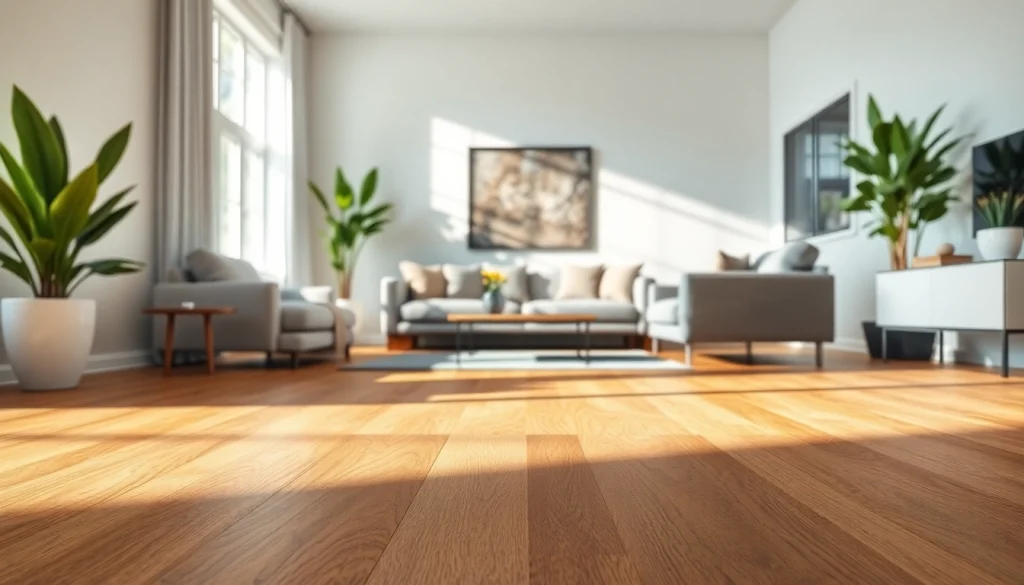
Understanding LVP Flooring
What is LVP Flooring?
Luxury Vinyl Plank (LVP) flooring is an innovative flooring solution designed to mimic the look and feel of authentic hardwood. Made from multiple layers of vinyl, LVP is durable, water-resistant, and more affordable than traditional wood flooring. Typically, it consists of a wear layer, design layer, and backing layer, providing a combination of style and practicality. Homeowners appreciate LVP for its realistic wood aesthetics alongside its easy maintenance and durability for heavy foot traffic areas.
Benefits of the Best LVP Flooring
The best lvp flooring offers numerous advantages that make it a preferred choice for various spaces. Firstly, its water-resistant nature allows it to be installed in areas prone to moisture, such as kitchens and bathrooms. Secondly, LVP flooring is exceptionally durable, often featuring a protective wear layer that helps resist scratches, stains, and dents. Its comfort underfoot is enhanced due to the cushion-like backing, making it suitable for residential and commercial settings. Additionally, the extensive range of designs available in LVP allows homeowners to achieve their desired aesthetic without compromising performance. Lastly, LVP flooring is often easier to install compared to traditional flooring methods, which can save on labor costs and time.
How LVP Compares to Other Flooring Options
When it comes to flooring choices, it is essential to evaluate LVP against traditional materials like hardwood, laminate, and tile. Unlike hardwood, LVP does not require refinishing over time and is far more resistant to moisture. While laminate flooring might mimic wood, it lacks the rich texture and durability of LVP. Tile is rigid and cold underfoot; LVP provides a warm aesthetic and added comfort. In summary, LVP stands out as a flexible and functional solution that meets the needs of modern living.
Top Features to Look For
Durability and Wear Layer
One of the most critical features of LVP flooring is its durability, which largely depends on the thickness of the wear layer. Typically measured in mils (thousandths of an inch), a thicker wear layer means better protection against wear and scratches. For residential use, a wear layer of 12 mils is optimal, while commercial settings may benefit from thicker options of 20 mils or more. Understanding the level of foot traffic and potential exposure to pets or heavy furniture will guide the choice of the right wear layer for individual needs.
Thickness and Comfort
The thickness of an LVP plank plays a vital role in comfort and performance. LVP planks generally come in thickness ranges from 4 mm to 8 mm. Thicker planks can provide better sound insulation and feel softer underfoot. Be mindful that consumers should avoid the temptation of choosing the thickest planks solely for comfort; factors such as subfloor condition and installation method must also be considered to find the ideal balance.
Design Options and Styles
The variety of design options available is one of the most significant draws of LVP flooring. Homeowners can choose from a multitude of finishes, colors, and patterns, including rustic oak, luxurious walnut, or contemporary gray tones. Advanced printing technology means the visuals are highly realistic—many designs replicate the natural textures found in genuine wood, making it indistinguishable to the casual observer. When selecting the best style, consider the room’s overall decor, existing palette, and mood to create a seamless and harmonious look.
Installation Process Explained
Preparing Your Space for Best LVP Flooring
Proper preparation is crucial for a successful LVP installation. Start by cleaning the subfloor thoroughly, removing any debris, and ensuring it is level. It is essential to address any cracks or imperfections to prevent issues after the flooring is laid. Additionally, acclimating the vinyl planks to the room’s temperature for at least 48 hours can help prevent expansion or contraction once installed.
DIY vs. Professional Installation
Deciding between DIY installation and hiring professionals comes down to personal confidence and project scope. While LVP flooring is generally designed for easy installation, particularly with click-lock systems, some homeowners may still prefer professional help to ensure a perfect fit. Weigh the costs against potential DIY challenges, such as tool requirements and time commitment, to make the right choice for your project.
Common Installation Challenges
Even with a straightforward installation process, homeowners may encounter common challenges such as improper subfloor preparation or misalignment during installation. To mitigate these issues, always follow the manufacturer’s guidelines and consider using a leveling compound for uneven areas. Additionally, utilizing spacers around edges can help ensure appropriate expansion gaps.
Maintenance Tips for Longevity
Daily Cleaning Duties
Maintaining LVP flooring is generally simple and straightforward. Daily cleaning typically involves sweeping or vacuuming to remove dirt and debris, followed by damp mopping with a pH-neutral cleaner designed for vinyl. Avoid harsh chemicals and scrubbing pads, which can damage the protective wear layer. Establishing a daily routine will keep the flooring looking fresh.
Preventative Measures
Prevention can significantly extend the life of LVP flooring. Placing doormats at entry points can help minimize dirt and grit. Additionally, using furniture pads under heavy items will prevent scratches and indentations. Regularly checking for signs of wear or damage and addressing them promptly will contribute to the overall longevity of the flooring.
Repairing Scratches and Damage
Despite its durability, scratches can still occur on LVP flooring. Fortunately, minor scratches can often be repaired with a simple DIY fix using a color-matching marker or a touch-up kit designed for vinyl flooring. For extensive damage or deeper scratches, replacing a single plank may be necessary. Follow manufacturer guidelines for plank removal and replacement to ensure a seamless repair.
FAQs About Best LVP Flooring
How long does LVP flooring typically last?
With proper care and maintenance, LVP flooring can last up to 25 years or more in residential settings, and even longer in commercial spaces, depending on thickness and wear layer quality.
Can LVP flooring be installed over existing floors?
Yes, LVP flooring can often be installed over existing floors such as tile or laminate, provided the surface is clean, dry, and level. Always check manufacturer guidelines to avoid voiding warranties.
Is LVP flooring waterproof?
Most LVP flooring is water-resistant and can withstand spills and moisture; however, it is not entirely impervious to prolonged standing water, which can lead to warping or damage.
What are the best cleaning products for LVP flooring?
Look for pH-neutral cleaners specifically formulated for vinyl to avoid damaging the surface. Avoid bleach-based products or harsh scrubbing pads during cleaning.
How does LVP flooring affect home resale value?
Quality LVP flooring can enhance home resale value by providing a modern look and durable performance. Buyers often appreciate low-maintenance options that are stylish.