

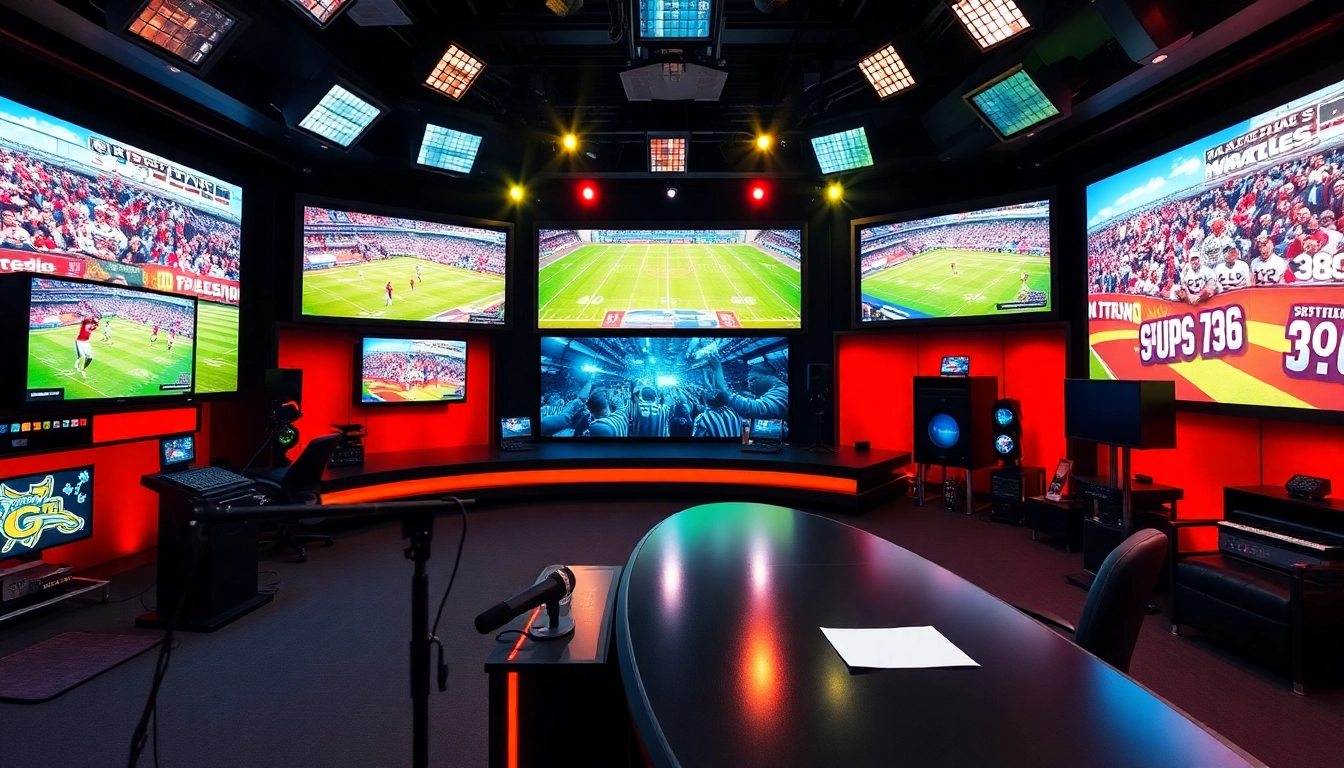
Understanding Sports Broadcasting Dynamics
Defining Sports Broadcasting
Sports broadcasting involves the distribution of sports-related content via various media channels, including television, radio, and online platforms. It is an essential aspect of the sports industry, designed to engage audiences and enhance the viewing experience. The primary goal of sports broadcasting is to deliver real-time commentary, analysis, and coverage of events, allowing fans to stay connected to their favorite teams and players from anywhere in the world. For a deeper understanding of this exciting field, you can explore Sports Broadcasting as a versatile platform that engages viewers through creative programming.
The Evolution of Sports Broadcasting
Sports broadcasting has undergone significant transformations since its inception. Early broadcasts in the 1920s utilized radio technology to deliver play-by-play commentary of live games. As television became widespread in the 1950s, sports programming evolved to include visual elements, making events more accessible and engaging for viewers.
The late 20th century brought innovations like cable television and satellite broadcasting, which vastly expanded the number of sports channels available and introduced dedicated sports networks. Today, digital streaming platforms have further revolutionized the industry, allowing fans to watch games on-demand and providing broadcasters with more opportunities to engage audiences globally.
Key Players in the Sports Broadcasting Ecosystem
The sports broadcasting landscape comprises several key players, including:
- Networks and Channels: These include traditional broadcasters such as ESPN and NBC Sports, as well as newer digital platforms like Amazon Prime Video and DAZN.
- Production Companies: Organizations that handle the logistics of live broadcasts, including camera work, sound, and editing.
- Advertisers: Companies that invest in sports broadcasting to reach target audiences during game coverage.
- Sports Associations and Teams: They partner with broadcasters to sell broadcasting rights and expand their brand reach.
Essential Techniques in Sports Broadcasting
Effective Storytelling Approaches
Storytelling is at the heart of sports broadcasting. Broadcasters must engage audiences not just with the facts of the game but with compelling narratives surrounding the players, teams, and events. Effective storytelling involves constructing a narrative that highlights key rivalries, underdog stories, and historical context that enrich the viewing experience.
Broadcasters can leverage player interviews, behind-the-scenes footage, and expert analysis to create a multi-dimensional story that hooks viewers from kickoff to the final whistle. Crafting a narrative helps differentiate one game from another and adds depth, making fans feel more connected to the sport.
Utilizing Technology in Sports Broadcasting
Technology plays a crucial role in modern sports broadcasting. Innovations like high-definition cameras, aerial drones, and virtual reality enhance audience engagement and provide dynamic coverage. Broadcasters utilize slow-motion replays, augmented reality graphics, and in-depth statistics to enrich the viewing experience.
Moreover, digital platforms incorporate interactive features such as live polls, real-time updates, and social media integration, allowing viewers to engage actively rather than passively. Utilizing data analytics also assists broadcasters to tailor content to audience preferences, enhancing relevance and satisfaction.
Engaging Your Audience: From Viewers to Fans
Transforming casual viewers into dedicated fans is a primary goal of sports broadcasters. Engagement strategies include creating platforms for viewer interaction during live events and cultivating communities centered around teams and sports.
Social media, in particular, provides an effective outlet for engagement, allowing fans to connect, share experiences, and participate in discussions. Broadcasters can also cultivate loyalty by offering exclusive content, promotions, and rewards for fan participation.
Challenges in Sports Broadcasting
Handling Live Events and Unforeseen Issues
Live sports broadcasting is inherently unpredictable. Unexpected issues such as technical malfunctions, weather interruptions, and player injuries can significantly impact coverage. Broadcasters should have contingency plans, including backup production teams and alternate content strategies, to mitigate disruptions and maintain a seamless viewing experience.
Maintaining High Production Standards
To attract and retain viewership, broadcasters must uphold high production standards. This includes clear audio, sharp visuals, and well-structured broadcasts. Professionalism from commentators and a polished presentation set the tone and quality of the viewing experience. Regular training and investment in technology are essential for maintaining these standards while adapting to evolving viewer expectations.
Adapting to Audience Preferences
The sports broadcasting industry is continuously evolving, with audience preferences playing a critical role in shaping its future. Broadcasters must remain attentive to demographic trends, shifting viewing habits, and changing content preferences.
Surveys and audience analytics can offer insights into what types of coverage and programming resonate most with viewers. Broadcasting organizations should encourage feedback and be flexible enough to adjust their strategies accordingly to cater to changing tastes.
Best Practices for Successful Sports Broadcasting
Building a Cohesive Team
A successful sports broadcasting operation relies on collaboration and effective teamwork. Production teams must work closely with on-air talent, analysts, and technical staff to ensure consistency in messaging and quality across all platforms. Regular team meetings and collaborative planning sessions enable everyone to align on goals, and share insights, creating a smoother broadcasting process.
Consistency in Brand Messaging
Branding is vital in the crowded sports market. Consistency in messaging helps establish recognition and trust among viewers. Every broadcast should reflect the broadcaster’s values and foster a sense of identity that resonates with fans. This extends to graphics, commentary style, and overall presentation, ensuring an integrated brand experience.
Utilizing Social Media Effectively
Social media is a powerful tool in sports broadcasting. It provides a platform for real-time engagement with fans, allowing broadcasters to showcase highlights, gather instant feedback, and share exclusive content. Effective use of social media not only drives traffic to broadcasts but also enhances viewer loyalty by creating a dialogue between the broadcaster and the audience.
Measuring Success in Sports Broadcasting
Key Performance Indicators (KPIs) in Broadcasting
Measuring success in sports broadcasting requires the identification of relevant KPIs. Common indicators include viewership numbers, audience retention rates, and engagement metrics such as social media shares and comments. Evaluating these metrics helps broadcasters understand their reach and effectiveness in engaging viewers, enabling data-driven decisions to improve future broadcasts.
Analyzing Audience Engagement Metrics
Audience engagement metrics provide valuable insights into how viewers interact with content. Analyzing factors like average view duration, audience demographics, and post-broadcast feedback can help broadcasters tailor their offerings to optimize viewership and engagement over time. Continuous analysis leads to an agile approach and the ability to experiment with different formats and styles to capture audience interest.
Adjusting Strategies Based on Feedback
Feedback is crucial for evolution in sports broadcasting. Broadcasters should implement structured feedback mechanisms that encourage viewers to express their opinions and preferences. Surveys, social media polls, and direct communication avenues should be established to gather insights. Adjusting strategies based on feedback can close the loop on audience experience and drive continual improvement in broadcasting quality.
Frequently Asked Questions
What is Sports Broadcasting?
Sports broadcasting refers to the live or recorded transmission of sports events, commentary, and analysis across various media channels, enabling audiences to engage with their favorite sports and teams.
How has technology impacted Sports Broadcasting?
Technology has revolutionized Sports Broadcasting by introducing HD visuals, real-time data analytics, and interactive viewer experiences, greatly enhancing consumer engagement and satisfaction.
What are the main challenges in Sports Broadcasting?
Challenges include managing live events, unforeseen technical issues, maintaining production quality, and adapting to changing audience preferences and expectations.
How can broadcasters enhance audience engagement?
Broadcasters can enhance engagement by creating interactive content, utilizing social media for real-time interaction, and delivering unique storytelling that resonates with fans emotionally.
What metrics are important for measuring success in Sports Broadcasting?
Key metrics include viewership numbers, audience retention rates, engagement rates on social media, and feedback from viewers that informs programming adjustments.