
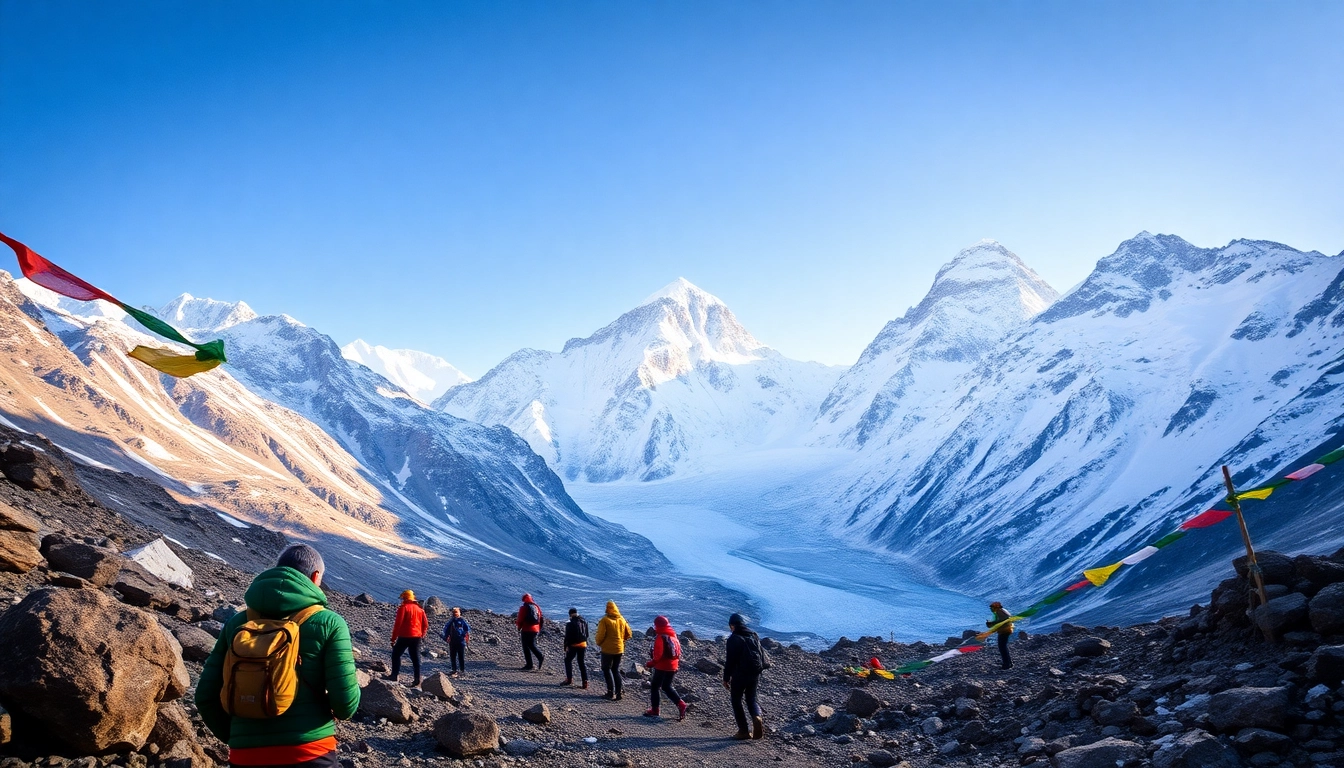
Understanding the Everest Base Camp Trek
The Everest Base Camp (EBC) trek is not just another trekking adventure; it embodies the spirit of exploration, challenge, and cultural immersion in one of the most stunning landscapes in the world. Nestled in the heart of the Himalayas, this trek offers breathtaking views of towering peaks, rich Sherpa culture, and a chance to test one’s limits against the formidable backdrop of Mount Everest. With its stunning landscapes, diverse ecosystems, and unique cultural experiences, the EBC trek captures the hearts of adventurers from around the globe.
When exploring options for this iconic journey, Everest base camp provides comprehensive insights into the itinerary, preparation, and what to expect during the trek. This captivating journey typically spans 14 days, leading trekkers from the bustling streets of Kathmandu to the serene heights of Everest Base Camp, situated at an elevation of 5,364 meters (17,598 feet). Each step on this trek unfolds a new chapter in the story of human endurance, warm hospitality, and the relentless beauty of nature.
Overview of the Trekking Experience
The trek to Everest Base Camp is characterized by its gradual ascent through picturesque Sherpa villages, lush green forests, and rugged mountain landscapes, culminating in awe-inspiring views of the world’s highest peak. Trekkers will experience a combination of physical challenge and natural beauty, alongside the unique opportunity to engage with the local Sherpa community, known for their hospitality and rich traditions.
The Significance of Everest Base Camp
Everest Base Camp serves as a crucial staging point for climbers attempting to reach the summit of Mount Everest. It has become a pilgrimage for trekkers who wish to stand in the shadow of the world’s highest mountain, where many mountaineering dreams begin. The site is a vibrant hub teeming with climbers, guides, and Sherpas, all working together in the pursuit of adventure and achievement.
Common Challenges Trekkers Face
Trekking to EBC is not without its challenges. Altitude sickness is a significant concern due to the rapid ascent to high elevations, where oxygen levels are substantially lower. Trekking conditions can also be impacted by unpredictable weather patterns and rough terrain. However, with proper planning, acclimatization, and guidance, many trekkers successfully navigate these hurdles, ultimately creating unforgettable memories.
Planning Your Everest Base Camp Journey
Planning your EBC adventure requires careful consideration of several factors, including timing, gear, physical fitness, and understanding the trekking route. Each of these elements plays a crucial role in ensuring a safe and enjoyable trek to the base of the world’s highest mountain.
Best Time to Trek Everest Base Camp
The best times to trek to Everest Base Camp are during the spring (March to May) and autumn (September to November). These seasons offer optimal weather conditions, including clearer skies and moderate temperatures, which enhance the trekking experience. In contrast, the summer months bring monsoon rains, while the winter months can present harsh conditions with significant snowfall.
Essential Gear and Packing List
Proper gear is critical for the success and safety of your trek. Essential items include breathable layers, insulated jackets, trekking boots, and a sturdy daypack. Additionally, packing a first aid kit, personal medications, hydration systems, and necessary trekking poles can be invaluable. Consider also including sun protection gear, such as sunscreen and sunglasses, as UV rays are more intense at higher elevations.
How to Prepare Physically and Mentally
Physical fitness plays a vital role in successfully completing the trek. A training regimen incorporating aerobic conditioning, strength training, and hiking in varied terrain is essential to prepare your body for the demands of the trek. Mental preparation is equally important; being mentally resilient can aid in coping with the physical challenges encountered along the way.
Itinerary Breakdown for the EBC Trek
The Everest Base Camp trek typically spans 14 days, allowing trekkers sufficient time for acclimatization and exploration. During this period, trekkers traverse various terrains, each with its distinct characteristics and allure. Below is a breakdown of the day-by-day itinerary.
Day-by-Day Trek Highlights
- Day 1: Arrival in Kathmandu – Orientation and preparation.
- Day 2: Fly to Lukla and trek to Phakding.
- Day 3: Trek to Namche Bazaar for acclimatization.
- Day 4: Acclimatization day – Hike to Hotel Everest View.
- Day 5: Trek to Tengboche and visit the monastery.
- Day 6: Trek to Dingboche.
- Day 7: Acclimatization day – Hike to Nangkartsang Peak.
- Day 8: Trek to Lobuche.
- Day 9: Trek to Everest Base Camp and return to Gorak Shep.
- Day 10: Hike to Kala Patthar for sunrise views.
- Day 11: Return trek to Namche Bazaar.
- Day 12: Trek back to Lukla.
- Day 13: Fly back to Kathmandu.
- Day 14: Departure from Kathmandu.
Acclimatization Days Explained
Acclimatization is vital for reducing the risk of altitude sickness. The trek includes strategically placed rest days in Namche Bazaar and Dingboche to facilitate this process, allowing your body to adjust to higher altitudes.
Important Stops Along the Route
Key stops along the trek include vibrant villages like Namche Bazaar, known as the gateway to the Khumbu region, and Tengboche, home to the famous monastery. Each stop provides a unique glimpse into the Sherpa way of life, with opportunities to engage with locals and experience their hospitality.
Safety Considerations and Best Practices
Safety during the trek is paramount. Understanding potential hazards, maintaining physical health, and having emergency plans in place are crucial components to a successful EBC trek.
Altitude Sickness: Prevention and Management
Altitude sickness can strike unexpectedly, making it essential to recognize its symptoms early. Staying hydrated, ascending gradually, and being mindful of your body’s signals are key strategies for prevention. In case of severe symptoms, descending to lower altitudes is the most effective remedy.
Health and Emergency Protocols
Having a basic understanding of health protocols and emergency procedures can be a lifesaver. Trekkers should consult their guides regarding first aid kits and emergency communication options, including satellite phones, especially in areas with limited cellular connectivity.
Choosing the Right Trekking Company
Selecting a reputable trekking company can significantly impact your experience. Look for companies with experienced, certified guides, positive reviews, and a solid safety record to ensure your trek is both enjoyable and safe.
What to Expect at Everest Base Camp
Reaching Everest Base Camp is a significant accomplishment that brings both excitement and reflection. The experience at EBC is often described as life-changing, as trekkers absorb the atmosphere of one of the most iconic sites in the world.
Culture and Community in the Khumbu Region
The Khumbu region is rich in culture and history, primarily influenced by the Sherpa people. Visitors can expect to encounter traditional customs, festivals, and hospitality that highlight the deep-rooted connection between the locals and the land.
Environment and Wildlife Encounters
While trekking in the EBC region, trekkers can witness diverse flora and fauna, including unique Himalayan species. The trekking route weaves through protected national parks, showcasing the need for conservation and sustainable tourism practices.
Post-Trek Reflection and Celebrations
Completing the trek to Everest Base Camp is often followed by celebrations with fellow trekkers and guides. Reflecting on personal achievements and the experiences shared can foster a sense of camaraderie and fulfillment that lasts long after returning home.