
Introduction to Fly Screen Doors
As the warmer months approach, many homeowners find themselves opening doors and windows to let in the fresh air. However, with these open spaces come unwanted visitors, particularly insects. This is where the fly screen door becomes an invaluable addition to your home. This article will explore the definition, benefits, and types of fly screen doors, ensuring you are well-informed before making a choice for your household.
What is a Fly Screen Door?
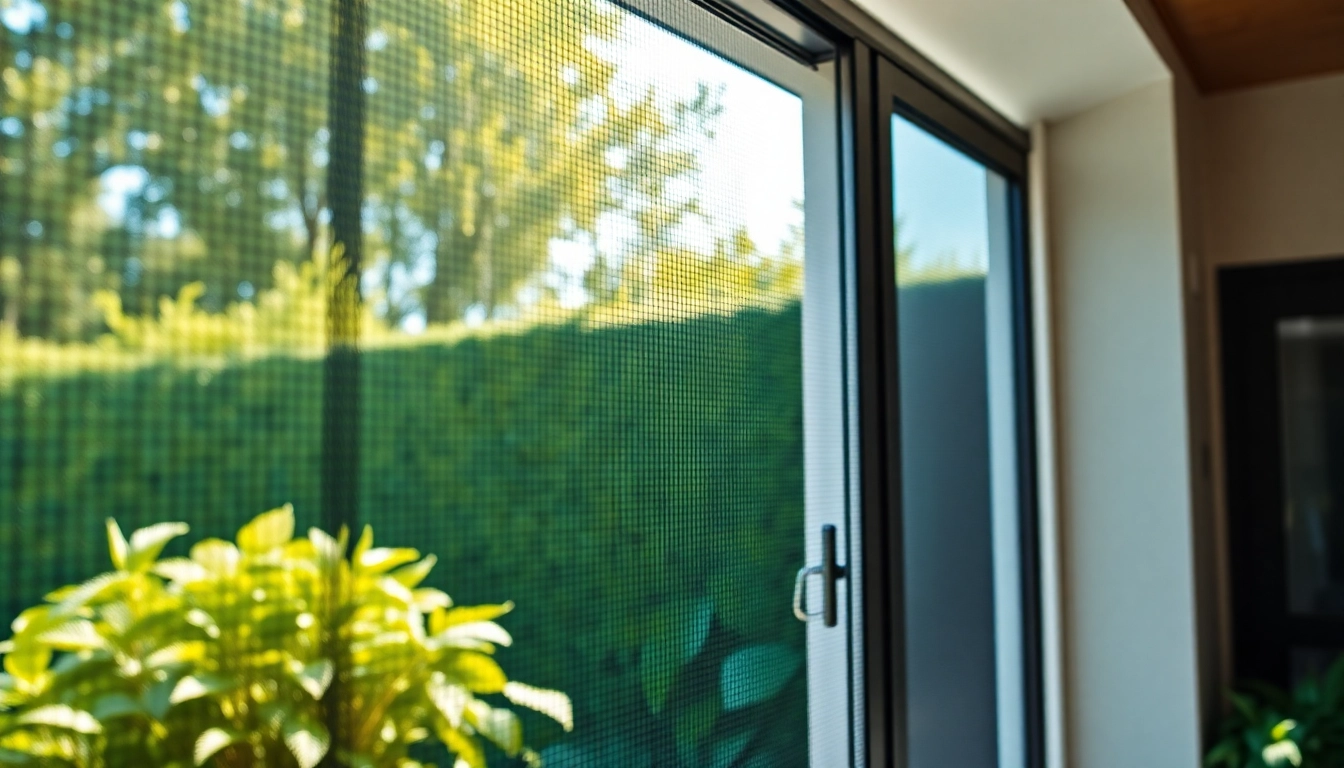
A fly screen door is a mesh barrier designed to be installed over door frames to prevent insects, dust, and debris from entering your living space while still allowing air to circulate freely. These doors come in various styles, including retractable, magnetic, and pleated options, making them suitable for different home aesthetics and functional needs.
Benefits of Installing a Fly Screen Door
- Insect Protection: The primary benefit is to keep unwanted insects outside, protecting your indoor environments, such as kitchens and living areas, from flies, mosquitoes, and other pests.
- Enhanced Ventilation: With a fly screen door, you can enjoy natural airflow without compromising on safety or comfort.
- Energy Efficiency: By allowing fresh air to circulate, fly screen doors can help reduce reliance on air conditioning, thereby lowering energy bills.
- Natural Light: They allow for the entry of natural light into your home, maintaining brightness while keeping pests at bay.
- Customizability: Many fly screen doors can be tailored to fit any doorway, ensuring a perfect fit in your home.
Types of Fly Screen Doors Available
Different types of fly screen doors serve various needs and aesthetics. Below are some popular options:
- Magnetic Fly Screen Doors: These feature a mesh that automatically closes behind you, offering hands-free access while keeping insects out.
- Retractable Fly Screen Doors: Designed to pull down or roll up, these screens are discreet and can be retracted when not in use.
- Pleated Fly Screen Doors: Offering a modern look, pleated screens slide open and closed, making them suitable for bi-fold and sliding doors.
- Sliding Fly Screens: Ideal for sliding doors, these screens can be easily moved to one side for unobstructed access.
Choosing the Right Fly Screen Door for Your Home
Factors to Consider for Your Fly Screen Door
When selecting a fly screen door, there are several important factors to consider:
- Door Size: Measure your door frame accurately to ensure you choose the correct size. Many manufacturers offer custom sizing options.
- Material: Look for durable materials that can withstand frequent use, such as fiberglass or aluminum.
- Style and Aesthetics: Choose a design that complements your home’s décor, whether it’s modern, traditional, or minimalistic.
- Installation Method: Decide whether you want a DIY option or one that requires professional installation.
- Budget: Set a budget considering both the purchase price and installation costs, if applicable.
Custom vs. Standard Sizes of Fly Screen Door
Fly screen doors come in both standard and custom sizes. Standard sizes fit most door openings, which can save time and money. However, for unique or non-standard door frames, custom sizes ensure a snug fit to maximize effectiveness and aesthetics. It’s important to carefully measure your door frame and consult with suppliers to determine the best option.
Material Options for Durability
Choosing the right material for your fly screen door is crucial for longevity and performance. Common materials include:
- Fiberglass: Lightweight and resistant to scratching, fiberglass mesh is an excellent option that provides visibility without sacrificing durability.
- Aluminum: Known for its strength and resistance to rust, aluminum frames can support heavier mesh materials.
- Polyester: Often coated for durability and ease of cleaning, polyester offers a lightweight yet resilient option.
Installation Process for Your Fly Screen Door
Preparation Steps Before Installation
Installing a fly screen door requires some preparation to ensure a smooth process:
- Measure Your Door Frame: Take accurate measurements of the width and height of your door frame.
- Choose Your Screen Type: Select the style of fly screen door that best suits your needs and aesthetic preferences.
- Gather Tools: Collect all necessary tools, including a drill, screwdriver, measuring tape, and level.
DIY Installation vs. Professional Help
Many fly screen doors come with installation kits and instructions, allowing for DIY installation, which can save money. However, if you’re uncomfortable with DIY tasks or have custom queries, hiring a professional can ensure a flawless installation and peace of mind.
Common Installation Mistakes to Avoid
Proper installation is key to the effectiveness of your fly screen door. Here are some common pitfalls to avoid:
- Incorrect Measurements: Double-check your measurements to ensure a snug fit.
- Improper Alignment: Ensure the screen is level and hung straight; misalignments can lead to gaps.
- Skipping Weatherstripping: Adding weatherstripping can help enhance the seal and performance.
Maintaining Your Fly Screen Door
Cleaning Techniques for Longevity
Regular cleaning keeps your fly screen door looking good and functioning well. Follow these steps:
- Remove Dust: Use a soft brush or vacuum attachment to remove dust and debris.
- Wash with Soapy Water: Use a mild soap solution and a soft cloth to wipe down the screen and frame.
- Rinse and Dry: Rinse thoroughly and let the screen dry completely before reinstalling.
Seasonal Maintenance Tips
Seasons can take a toll on your fly screen door. Here’s how to keep it in top shape:
- Pre-Summer Check: Inspect the screen for tears or wear before the bug season begins.
- Winter Storage: If your screen is removable, store it in a dry place during winter to avoid damage.
Repairing Common Damages
Over time, your fly screen door may sustain some damages. Common issues include:
- Tears and Holes: Small holes can be patched with tape or a piece of mesh; larger damage may require a complete screen replacement.
- Loose Edges: Use additional adhesive or staples to secure any loose mesh sections.
Top FAQs About Fly Screen Doors
What insects can a fly screen door keep out?
A fly screen door effectively keeps out common pests like flies, mosquitoes, wasps, and small insects without blocking airflow.
How do I install a fly screen door?
Installation typically involves measuring the frame, attaching the screen according to the manufacturer’s instructions, and ensuring a tight fit for optimal performance.
Can a fly screen door fit any door size?
Fly screen doors are available in standard and custom sizes, allowing you to fit them to nearly any doorway, ensuring maximum versatility.
Are fly screen doors pet-friendly?
Many fly screen doors are designed to allow pets to pass through without issues; consider options with pet flaps for added convenience.
What materials are fly screen doors commonly made from?
Materials commonly used include fiberglass, aluminum, and polyester, each offering durability and effectiveness depending on your needs.