

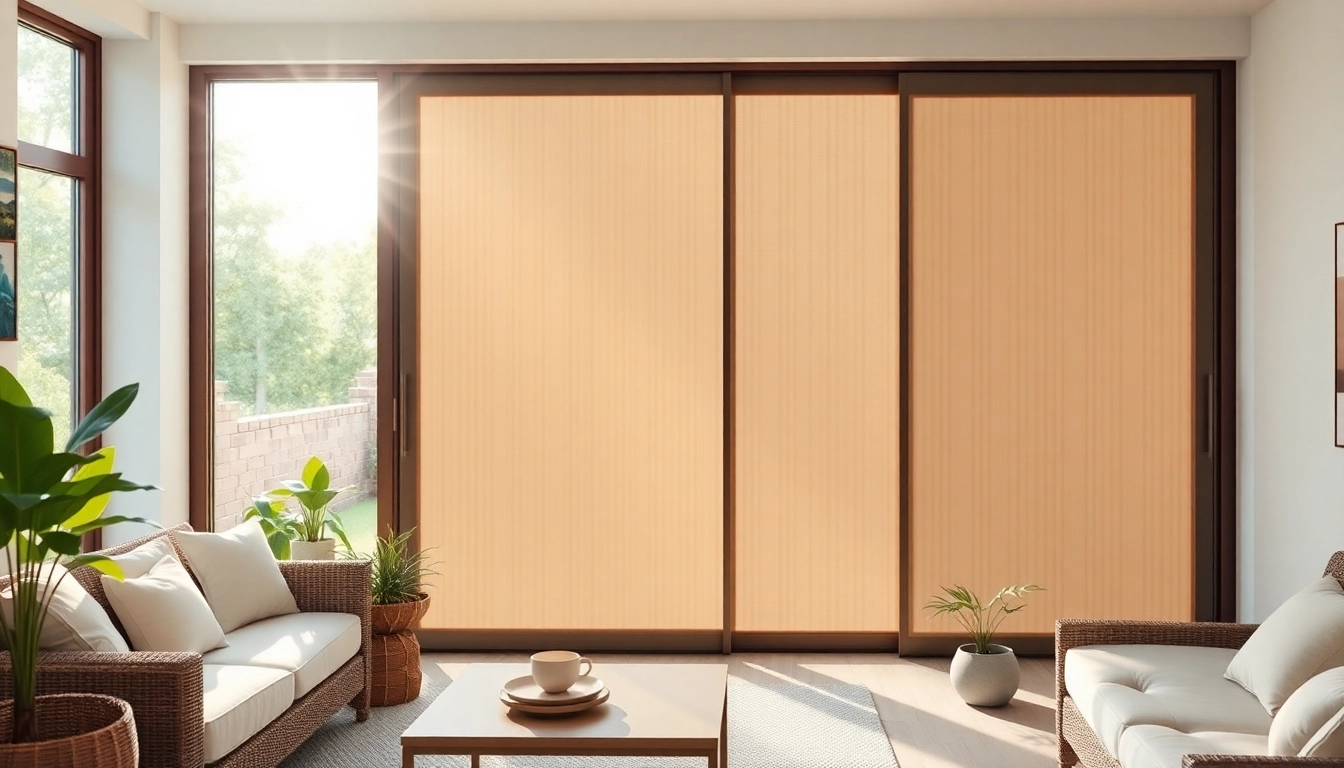
Understanding Fly Screens: The Basics
What is a Fly Screen?
A fly screen, often known as a mesh screen or insect screen, is a thin mesh material designed to cover windows and doors while allowing air to pass through. The primary function is to keep insects, bugs, and other unwanted pests out of living spaces while still providing ventilation. Made mostly from materials such as fiberglass, aluminum, or polyester, fly screens come in various designs, allowing users to maintain a clear view of the outdoor environment while enjoying the benefits of fresh air and natural light.
Benefits of Using a Fly Screen for Patio Doors
Utilizing a fly screen for patio doors offers various benefits:
- Pest Prevention: The foremost advantage is protection from insects. Fly screens provide a barrier against mosquitoes, flies, and other bugs.
- Improved Airflow: They allow air circulation without compromising safety, ensuring your living space remains fresh.
- UV Protection: Many fly screens come with UV blocking properties, helping to safeguard furniture and interiors from sun damage.
- Energy Efficiency: By reducing the need for air conditioning, fly screens can help save on energy costs by maintaining cooler indoor temperatures.
- Enhanced Aesthetics: Available in various styles and colors, fly screens can complement your patio door and add a touch of elegance to your interiors.
Common Materials Used
The materials utilized for fly screens vary based on durability, aesthetics, and functionality:
- Fiberglass: It’s lightweight and resistant to rust and corrosion, making it a popular choice.
- Aluminum: Known for its strength and longevity; aluminum screens are ideal for high-traffic areas.
- Polyester: This material is known for its scratch resistance and UV protection capabilities.
- Stainless Steel: Primarily used for security screens, stainless steel offers enhanced durability and protection.
How to Select the Perfect Fly Screen for Your Patio Doors
Measuring Your Patio Door Correctly
Selecting the right fly screen begins with precise measurements. Use a tape measure to find the width and height of your patio door frame. It’s essential to measure at three points: the top, middle, and bottom of your door frame, to ensure that you get consistent dimensions. This will help account for any irregularities in your door frame. If the door is sliding, make sure to measure both panels to get the right fit.
Design Styles and Aesthetics
Fly screens come in various designs, allowing them to blend seamlessly with your patio doors and overall décor. Here are some design aspects to consider:
- Colors and Finishes: Choose a color that complements your door frame. Powder-coated options are available for added durability.
- Types: Decide between standard, retractable, or pleated options based on your preference and space availability.
- Framing: Consider slim profiles for a minimalistic look or bulkier versions for more structural support.
Functional Considerations
Beyond aesthetics, consider how you plan to use your fly screen:
- Ease of Use: Opt for retractable screens for convenience—they easily open and close.
- Durability: If you have pets or children, invest in stronger, more resilient materials.
- Accessibility: Consider how often you will use the door; frequent use may require a design that stands up to regular opening and closing.
Installation Process for Fly Screens
Tools and Materials Required
Installing a fly screen requires the following tools and materials:
- Measuring tape
- Level
- Drill with drill bits
- Screwdriver
- Scissors or a utility knife (for cutting mesh if required)
- Screen frame and the mesh material
- Installation brackets and screws
Step-by-Step Installation Guide
Installing a fly screen can be a DIY task if you feel comfortable with basic home improvement skills. Here’s a simple guide:
- Prepare the Area: Clear the patio door area for easy access.
- Measure and Cut: Confirm measurements, then cut the fly screen material to size if necessary.
- Install the Frame: Secure the screen frame onto the door frame using the brackets and screws. Make sure it’s level.
- Attach the Mesh: Stretch and secure the mesh material onto the frame, ensuring there are no gaps.
- Test Functionality: Make sure the screen opens and closes smoothly. Adjust as necessary.
Professional Installation vs DIY
While many homeowners are capable of installing fly screens themselves, hiring professionals can often take the guesswork out of the process:
- Time-saving: Professionals can complete the job efficiently without the need for adjustments.
- Expertise: They have the experience and knowledge of potential pitfalls.
- Warranty: Many companies offer warranties on their installation services, providing peace of mind.
Maintenance Tips for Longevity
Regular Cleaning Practices
Maintaining your fly screens properly is essential for ensuring they last. Regular cleaning maintains function and aesthetic appeal:
- Dust weekly: Use a soft brush or a vacuum with a soft brush attachment.
- Wash periodically: Use a mild detergent and water solution to clean the mesh. Avoid harsh chemicals that can damage materials.
- Check fittings: Regularly inspect screws and brackets to ensure they are tight and secure.
Inspecting for Wear and Tear
Conduct inspections to catch issues early:
- Examine mesh: Look for tears or holes that can diminish effectiveness.
- Check frame: Look for rust, corrosion, or bending in the frame affecting installation.
- Ensure smooth operation: Make sure your screen isn’t dragging or catching when opened and closed.
When to Replace Your Fly Screen
Knowing when to replace your fly screen is key to maintaining a pest-free home:
- Visible Damage: If the mesh has substantial holes or tears that can’t be fixed, replacement is necessary.
- Wear on Frame: A compromised frame can compromise the mesh’s integrity.
- Aesthetics: Consider replacement if the screen looks significantly worn or outdated compared to your home’s style.
FAQs About Fly Screens for Patio Doors
How do I measure my patio door for a fly screen?
Measure the width and height of your door frame at three points. Use the smallest dimensions to ensure a snug fit.
Can I install a fly screen on any type of patio door?
Most patio doors can accommodate fly screens, but always check compatibility with retractable or sliding door options.
Are fly screens effective for keeping pests out?
Yes, they are effective in preventing pests like mosquitoes and flies from entering while allowing airflow.
What is the average lifespan of a fly screen?
With proper maintenance, a fly screen can last several years; typical lifespans range from 5 to 10 years.
Do fly screens affect visibility and natural light?
No, fly screens provide clear visibility and do not substantially impede natural light entering the space.